Best Running Shoes for Beginners (Comparison Guide)
Finding the right running shoes is one of the most important decisions for anyone starting their fitness journey. The right pair helps you run longer, stay injury-free, and enjoy every step. But with so many models out there, beginners often feel overwhelmed.
This guide breaks down how to choose running shoes as a beginner, along with a comparison of the top beginner-friendly options to help you make a confident choice.
Why Choosing the Right Running Shoe Matters
Running is a high-impact activity. Every foot strike brings pressure equivalent to 2–3× your body weight. A proper running shoe helps by:
- Absorbing shock
- Supporting your arch and ankle
- Preventing knee and back pain
- Improving running efficiency
- Boosting overall comfort
For beginners, these benefits are essential for building consistency.
How to Choose Running Shoes for Beginners
1. Understand Your Foot Type (Pronation)
Your foot shape influences the kind of support you need.
- Neutral → Choose neutral running shoes
- Overpronation (flat feet) → Choose stability shoes
- Supination (high arches) → Choose cushioned shoes
If you’re unsure, a simple wet-footprint test can help.
2. Pick Shoes Based on Your Running Surface
- Road running → Lightweight, cushioned shoes
- Treadmill → Neutral, breathable shoes
- Trail → Grippy outsoles, strong foot protection
Beginners usually stick to road or treadmill runs.
3. Check Cushioning Level
Beginners usually do well with medium to high cushioning for comfort and shock absorption.
- Max cushion → Soft, plush, ideal for longer runs
- Moderate cushion → Balanced comfort + responsiveness
4. Ensure the Perfect Fit
A good running shoe should offer:
- A thumb-width space at the toe
- A snug heel with no slipping
- Flexible yet supportive upper
- Comfort from the first try (no “break-in” needed)
5. Choose Based on Your Running Goals
- Weight loss
- Daily jogging
- 5K training
- Improving general fitness
Your goals determine whether you need lightweight trainers or cushioned daily shoes.
Top Running Shoes for Beginners (2025 Comparison)
Below is a comparison table featuring popular, beginner-friendly running shoes known for comfort, durability, and value.
Running Shoe Comparison Table (Beginner-Friendly Options)
| Model | Best For | Cushioning Level | Support Type | Weight | Key Features | Price Range |
|---|---|---|---|---|---|---|
| Nike Revolution 8 | Budget-friendly beginners | Medium | Neutral | Lightweight | Soft foam cushioning, breathable mesh | $60–$80 |
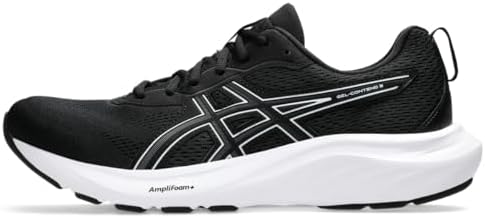
| ASICS GEL-Contend 9 | Daily comfort runners | Medium-High | Supportive Neutral | Moderate | GEL rearfoot cushioning, durable outsole | $65–$90 |
| Brooks Ghost 16 | Long-distance beginners | High | Neutral | Moderate | DNA LOFT v2 cushioning, smooth transitions | $120–$140 |
| New Balance Fresh Foam 680v7 | Everyday road runners | High | Neutral | Moderate | Fresh Foam midsole, shock absorption | $90–$110 |
| Saucony Guide 16 | Overpronators (flat feet) | Medium-High | Stability | Moderate | PWRRUN cushioning + stability support | $120–$140 |
| HOKA Clifton 10 | Max comfort beginners | High-Max | Neutral | Lightweight | Ultra-plush cushioning, soft landings | $140–$160 |
Best Running Shoes for Beginners (Short Reviews)
1. Nike Revolution 8 – Best Budget Pick
A soft, breathable, and lightweight shoe ideal for new runners who want comfort without spending much. Great for treadmill and daily jogs.

2. ASICS GEL-Contend 9 – Best for Durability
The GEL cushioning reduces impact and protects your joints—perfect for new runners who need reliability and support.
3. Brooks Ghost 16 – Best for Long Runs
Extremely comfortable with smooth transitions. A great upgrade for beginners planning to run consistently each week.

4. New Balance Fresh Foam 680v7 – Best Value
Fresh Foam offers plush comfort while keeping the shoe responsive. An excellent all-around choice.

5. Saucony Guide 16 – Best for Flat Feet
Stability support helps reduce overpronation and prevents knee pain. Ideal for beginners with low arches.

6. HOKA Clifton 10 – Best for Maximum Comfort
The signature HOKA cushioning gives a soft, cloud-like feel—excellent for recovery runs, long walks, and beginners who prefer extra protection.

Final Tips for Beginners Before Buying
- Try shoes in the evening when your feet are slightly swollen.
- Replace every 500–800 km to avoid injuries.
- Don’t choose based on color or brand alone — comfort is priority.
- If unsure, choose neutral shoes (most beginners fall into this category).